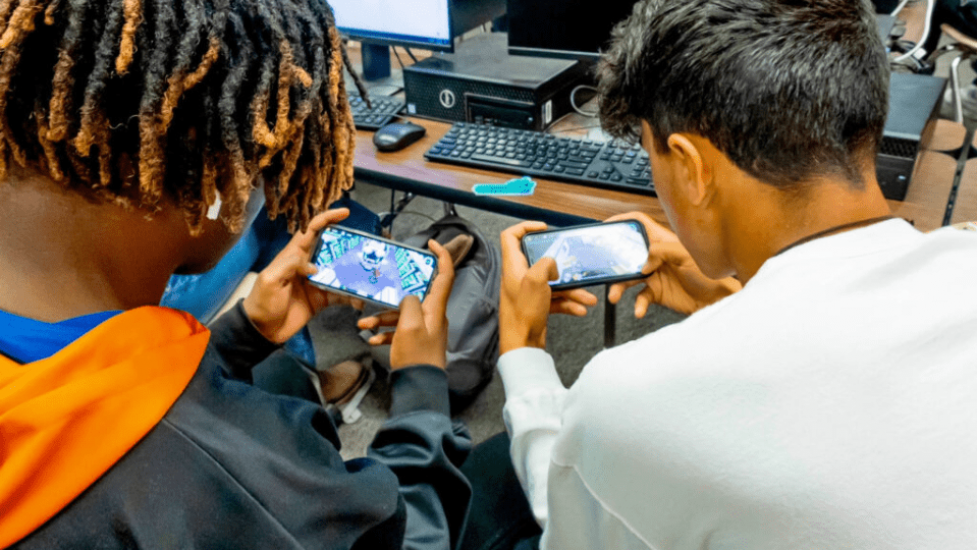
According to research, 95% of U.S. teens have access to a smartphone. Tina Zwolinksi, co-founder and CEO of Skillsgapp, says there is great opportunity to introduce young students – via their phones – to career options.
“Skillsgapp is a workforce pipeline initiative and the tool that we use as part of that initiative is mobile gaming,” explains Zwolinksi. “We focus on middle school and high school ages. There’s a real opportunity through career awareness to help them navigate. High schoolers have to make decisions on what they’re going to do after school. Those are really important years of influence.”

In addition to soft skills, Zwolinski says game models – which not all have launched – focus on cybersecurity, aerospace, automotive, skilled trades, advanced manufacturing, agriculture, STEM, and life sciences.
The app is also designed to be geolocation-specific to the player. Zwolinksi says, “What technical colleges are there? What certificates do they offer? What companies are there?”
She notes it’s important for students to have agency in their post-high school options. “The awareness to those pathways is there are still stigmas – parents might be pushing in other directions. Guidance counselors, teachers might be pushing in other directions. I think the opportunity in our game is to be able to take those stigmas out and allow the players to experience the environment’s careers, salaries, and pathways without that influence.”
South Carolina’s Life Sciences Industry
“When a business colleague introduced me to Tina [Zwolinksi] and she explained what she was embarking on – this gaming app focused on career pathways – I thought this fits in perfectly with what we are doing as far as workforce development initiatives,” says Erin Ford, executive VP and COO, SCBio, an economic development organization.

Ford continues, “Workforce development is a national issue. For us to be able to address it in an innovative way and meeting kids where they are, it’s perfect.”
“We feel fortunate that we are in a state where we have this innovative gaming company that aligned with what we’re doing and that we need to spread that awareness,” says Ford. “Especially as a woman, you think about all of the girls that lose interest in STEM. They don’t understand all the different opportunities available to them. It’s capturing that interest and then relaying that to those courses they can take in high school and beyond.”
“We go to industry first,” says Zwolinksi. Regarding the life sciences pathway, she says, “In South Carolina, SCBio has all the life sciences companies belong to them. They get support, information for recruitment. They know what they need in the workforce. They know what it means when they don’t have the workforce.”
“The conversation goes quickly with the understanding of new technology. They’re innovators. They innovate products. They innovate manufacturing. When it comes to workforce, they can grasp what innovation and workforce development can look like.”
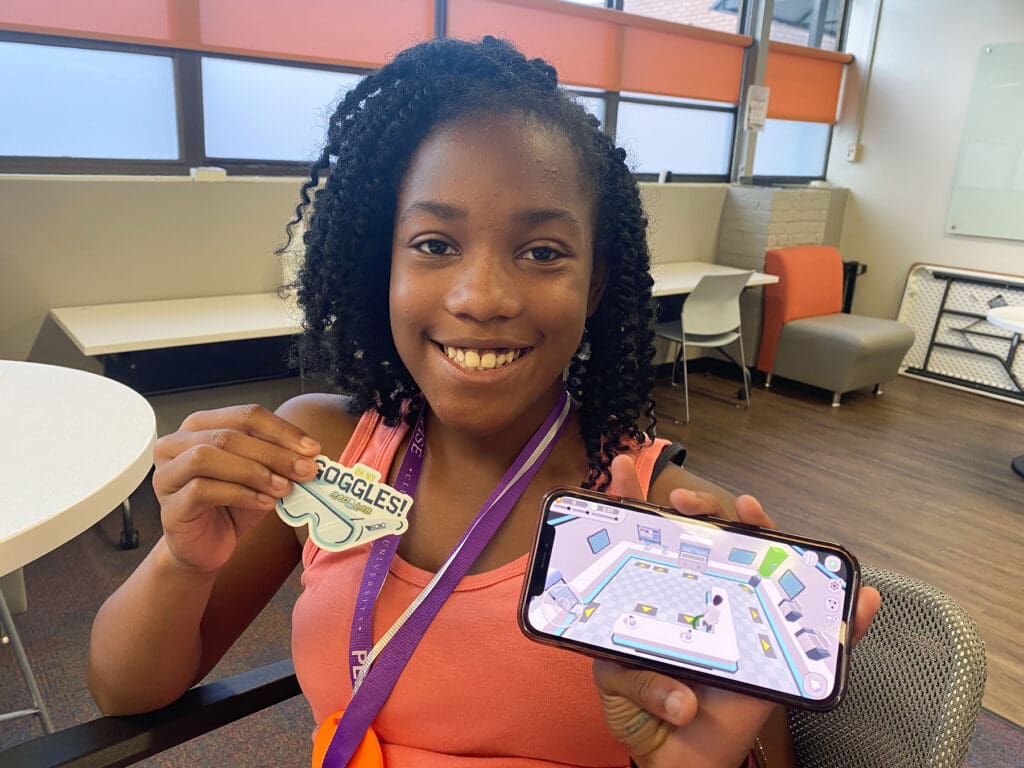
A Middle School Launch
After meeting with industry, Zwolinski explains, “The second step from there is education buy-in.”
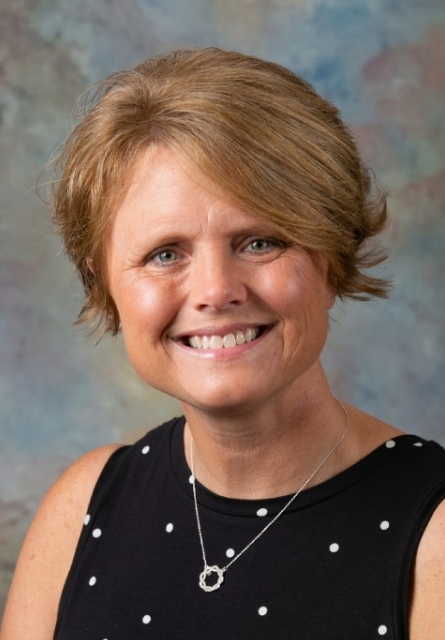
“It seemed like a natural fit for what we are currently doing. We do a lot of STEAM-based and STEM-based educational opportunities. And we have a video gaming class already in play,” says Tracy Burns, program director, Dr. Phinnize J. Fisher Middle School in Greenville. “This seemed to be a program that we could interconnect some things that we were currently doing. One thing that was a highlight to us was the career focus.”
Burns acknowledges that not all students are going to choose to pursue a four-year degree. “One thing about the life sciences is that this game will expose them to all different types of careers. You don’t have to be a doctor or a scientist. There are packaging experts. There are people who deal with the waste. This will help them ask better questions as they look to what they want to do for a career. And not think that it has to be a four-year program.”
The life sciences game is scheduled to officially roll out at Fisher Middle School in the fall.
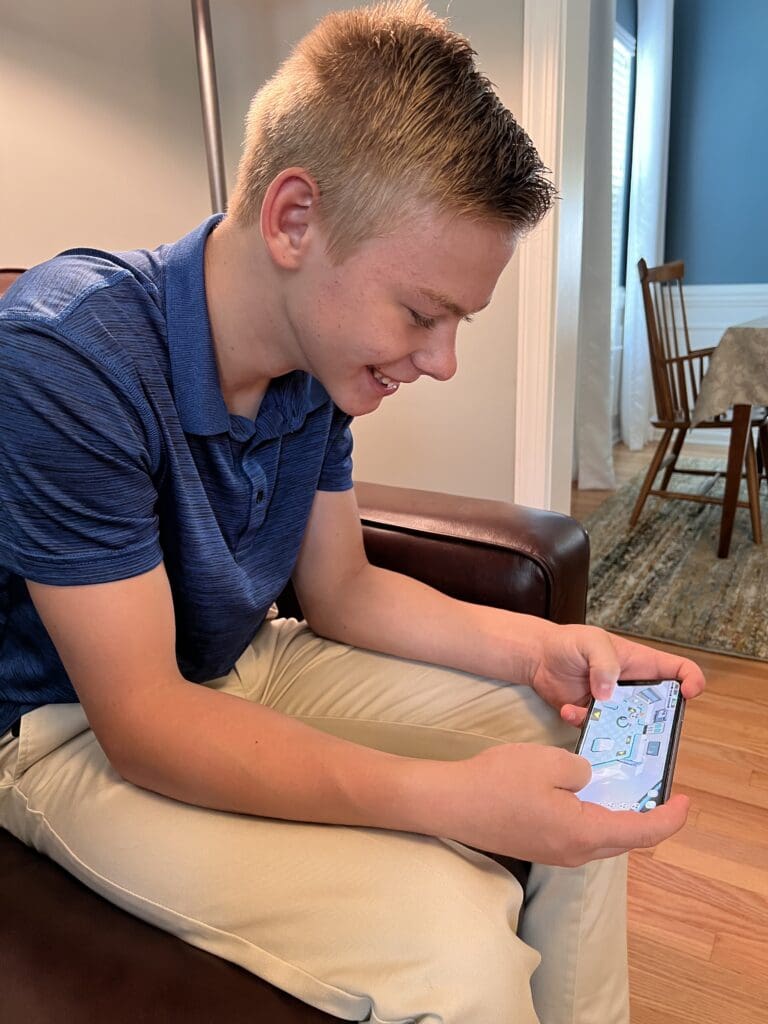
Ford’s son, Michael, has had the opportunity to try out the life sciences game, although he discloses that he’s more of an outdoors guy. Michael explains, “You pick your avatar. You have the lab. You get the chemicals, sort them, and put them in a box.”
The soon-to-be freshman explains that points are accumulated along the way. “As you progress, you pour different chemicals. You get 200 points for that. Slowly it becomes more complicated with freezing them, heating them up, and spinning them.”
He adds, “With chemicals, if you pour too much, it has a little cloud puff and then it says, ‘Whoops, try again.’”
The accumulation of points can lead to in-game and out-of-game rewards.
Ford was surprised that a couple days after playing, Michael recalled the annual salary for one lab-related job was $80,000.
Future of Learning
Burns says she recently attended an education conference in Washington, D.C. “One of the keynote speakers said the future of education has to consider the gaming world because that’s where students are. We’re going to have to be creative in delivering curriculum to students that intrigues them and keeps their attention.”
She continues, “My principal and I looked at each other and were a little bit proud that we are already on the cutting edge of that at Fisher.”
Zwolinski reminds of the workforce opportunity embedded in the app. “We get asked several times on calls, ‘Are you concerned with encouraging phone time, screen time?’ You look at all the data out there. They are going to have that screen time. The question is, ‘What are they doing with that screen time?’”
“I feel confident that we are doing the right thing with screen time because we are there in the middle of the other options – providing a future that they would not have known about.”